
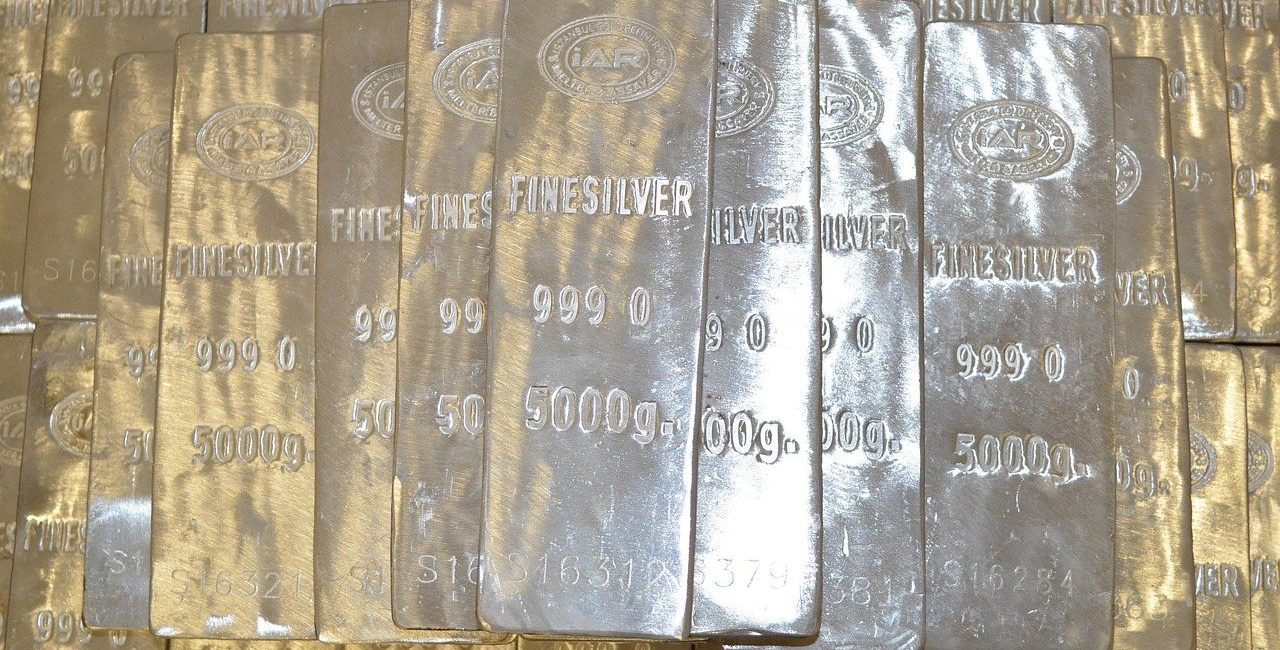
Turn over a silver ring, a spoon or a candlestick and you will usually find a tiny number: 925, 800, 950 or 999. These figures are easy to ignore and surprisingly easy to misread, yet they say more about an object than its colour or its weight in the hand. Here is what each one means and why it matters when you buy, give, keep or sell silver.
The basic idea: parts per thousand
The numbers show fineness, the amount of pure silver in the metal, expressed in parts per thousand. If a piece is stamped 925, then 925 parts in every 1,000 are silver, or 92.5 per cent. The rest is made up of other metals, usually copper. It is a purity mark, not a price and not a quality grade.
Why not use pure silver for everything? Because it is very soft. An everyday object made of pure silver would dent and bend, so most silverware and jewellery is mixed with a stronger metal to hold its shape.
925: sterling silver
Sterling is the figure you will meet most often in Britain. It is 92.5 per cent silver, with copper making up most of the remainder, and it balances durability with a bright, warm finish. A 925 mark, with the appropriate hallmark alongside it in the UK, is what you should expect on sterling jewellery, cutlery and decorative objects.
800: a common continental standard
An 800 mark means 80 per cent silver. It is a standard you will often see on silver made in continental Europe, particularly on tableware and older pieces. It is a legitimate silver standard rather than a sign of a fake, but it contains less silver than sterling and is generally a little harder and slightly less bright.
950 and 958: a step up in purity
A 950 mark means 95 per cent silver. In Britain there is also a higher traditional standard, known as Britannia silver, which is 95.8 per cent. These standards are less common than sterling, and you are more likely to find them on specialist or older items. Higher purity means a softer metal, so the object needs more careful handling.
999: fine silver
A 999 mark is the nearest thing to pure silver you can buy. It is lovely to look at and very soft, which is why it is mainly used for bars, coins and certain types of jewellery that are not worn hard. If you see 999 on a piece of cutlery, ask questions: most knives, forks and spoons are made from a harder alloy.
What the numbers do not tell you
A fineness mark tells you the proportion of silver in the metal. It does not tell you who made the piece, how old it is, whether it is in good condition or what a collector might pay for it. Two objects with the same mark can be worth very different amounts because of their maker, age or design.
It also does not tell you whether an object is solid at all. Silver-plated items have a thin layer of silver over a base metal and carry different stamps, so the absence of a number is a clue to look further, not to panic.
A practical guide for buying and giving
When you are choosing a thoughtful gift, silver is a classic choice for christenings, weddings and anniversaries, and a little knowledge of the marks makes the difference between a gift that lasts and one that disappoints. Look for a legible fineness mark and, where the law requires it, a hallmark from an assay office. Ask the seller to explain what is stamped on the piece, and be wary of anyone who cannot.
For a deeper explanation of how each of these standards works, this guide goes into the silver standards in more detail and is worth keeping to hand if you plan to buy or inherit silver.
Looking after what you have
Tarnish is normal on silver and is not a sign that something is wrong. It appears as silver reacts with sulphur compounds in the air, and gentle cleaning is usually enough to restore the shine. Avoid harsh abrasives, which scratch the surface, and store pieces dry and wrapped in soft cloth.
A quick reference
- 999: fine silver, very soft, mostly bars, coins and delicate jewellery.
- 958: Britannia silver, a traditional British standard above sterling.
- 950: high-purity silver, softer than sterling.
- 925: sterling silver, the usual standard for jewellery and cutlery.
- 800: lower silver content, common on continental European pieces.
Once you know what the numbers stand for, a tiny stamp becomes one of the most useful pieces of information on any silver object. It takes a minute to check and it is worth doing every time.