
The urban foraging UK trend has moved well beyond the rural idyll it once conjured: on a sun-drenched afternoon on Streatham Common, south London, the plants within arm’s reach include rosemary, chard, elderberries, chamomile and liquorice mint. This is not a carefully curated kitchen garden. It is a public common, and Rebekah Williams, a British-Jamaican herbalist and environmental educator, is explaining which of it you can eat.
Williams is the founder of Earth Child Remedies, a community-centred wellness initiative that works to reconnect global majority and queer communities with the land. According to the Institute of International Visual Arts, Earth Child Remedies was founded in 2022, though Williams has been leading foraging walks around the country since 2023. She has watched the appetite for those walks intensify. “There seems to be a recent awakening to the fact that modern life, working 9-5 jobs, only getting 20 days’ holiday a year, spending more time indoors staring at a screen than outdoors, really isn’t good for us,” she says. “I think people are turning to foraging because they’re realising how disconnected we’ve become from the land.”
The numbers bear her out. Searches for ‘foraging’ are up by a third on Google since last year. On TikTok, over 3,000 posts document UK foragers producing everything from linden seed chocolate to wild garlic and oyster mushroom toast. Sussex-based Fern Freud, posting as @foragedbyfern, has built a following of 185,000 sharing wild-food recipes and foraging tips. Megan Howlett of @theforagerscottage has accumulated 277,000 followers with foraged-ingredient recipes that include pineapple weed and water pepper sauerkraut, birch twig biscuits and lavender oat lattes. Waitrose has also reported a surge in customers searching for recipes using foraged ingredients, which suggests the interest is not confined to social media.
What is being signalled here is something broader than a food trend. Foraging’s prehistory is, in one sense, the prehistory of everything: around 250,000 years ago, people were predominantly nomadic hunter-gatherers who relied on the land and changing ecological systems for food and medicine. The shift toward farming began with the Neolithic Revolution 12,000 years ago, was accelerated by the Industrial Revolution, and was completed, more or less, by the 20th century’s system of refrigeration, processing and international trade. The pandemic, various global conflicts and extreme weather events have since exposed how fragile the supply chains underpinning that system can be. Reaching toward a nettle patch is, in that context, a small act of supply-chain scepticism.
The city as larder: foraging beyond the countryside
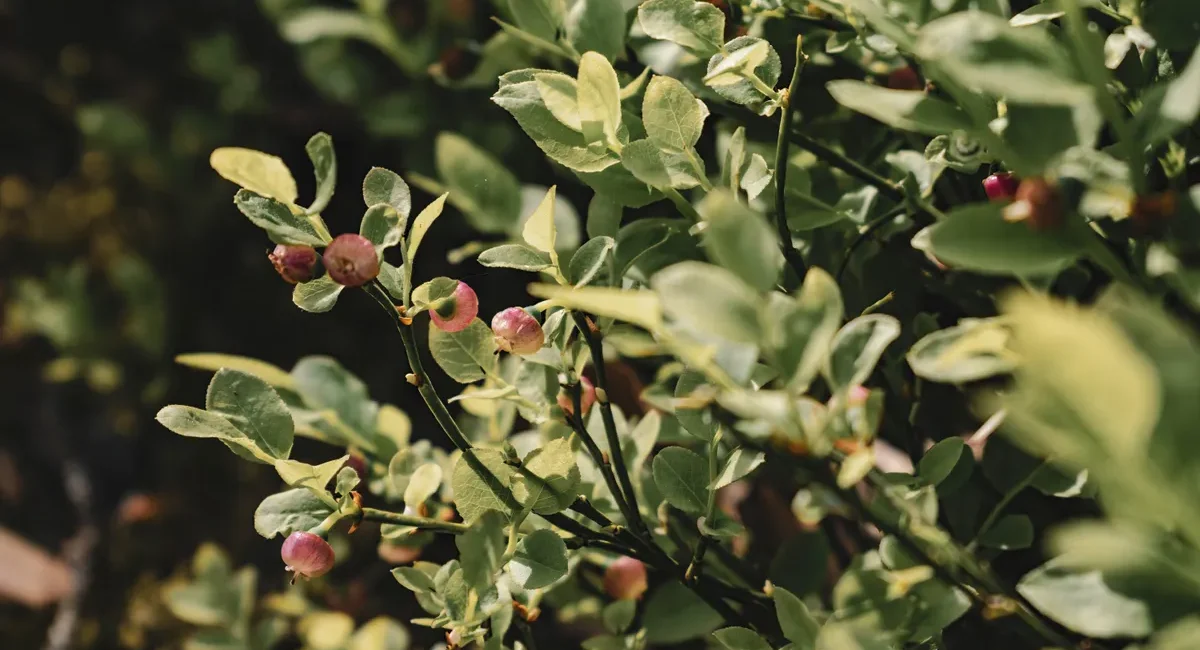
For 27-year-old Elsa Evelyn, originally from Winchester and now living in Devon, foraging is less about economic resilience than attention. “When I’m foraging, I can feel my restless mind quieting, and it’s the only time I walk slowly because I’m spying for edible opportunities,” she says. “I love this time because it feels like a conversation between myself and the earth.” Bilberries, pennywort and horsetail grow across Dartmoor; last week, she picked cherry plums and early-season blackberries for a pavlova.
Amy Sarah, 28, forages in Hampshire partly for ecological reasons. “I started picking wild berries in my local wild park and storing them in the freezer, mainly because I wanted to cut down my plastic consumption from supermarkets,” she says. “Eating directly from the earth is not only nutrient-dense and delicious, but a powerful way to ground us in gratitude.”
The urban foraging UK trend is perhaps most vividly illustrated by Divya Hariramani Herrero, who runs Fruity Walks, fruit-picking and spotting expeditions across London. She founded the project in 2020 after discovering what she describes as a perfect pear tree in St James’ Churchyard in Bermondsey. Originally from Madrid, she had not expected fruit trees to grow in London at all. She began cataloguing apple trees, plum trees, grapefruits, pomegranates, lemons, loquats, persimmons and a 12-metre avocado tree behind Tate Modern, then started knocking on doors. “I realised these trees had been planted by people from all over the world, from the Windrush Generation, Grenada, Jamaica, St Lucia, Bangladesh, Cyprus and Turkey, who wanted to plant something familiar to them.” She has since taken over a thousand people on walks around the city.
Urban foraging now takes in seaweed, sorrel and samphire along Kent’s coastal towns, foliage and fungi in Sheffield, wild pizza workshops in Leeds and foraged cocktail classes in Mile End. The geography of it is expanding as quickly as the interest.
Responsible foraging and the cost-of-living question
Williams is direct about the economic dimension. “Foraging can really help you in times when you have less money,” she says. “You can forage some nettles, three-cornered leek and garlic, and at least make a meal for yourself. You could also gather medicinal plants like elderberries, freeze them, and make them into a syrup to ward off colds in the winter, saving money on going to the pharmacy.”
But the same person making that case is also the most insistent about limits. “Never take more than you need,” Williams says. “Bees, birds, insects and other living organisms also rely on the plants for shelter, food and medicine. If we approach foraging from a capitalistic perspective of extraction, then all we’re going to do is deplete it.” Ben McCarthy, Head of Nature Conservation at the National Trust, makes the same point in institutional terms: while foraging can help people connect with nature, “excessive foraging, or foraging on protected sites, can be detrimental” to wildlife and delicate ecosystems. He asks foragers to follow the countryside code: “respect, protect and enjoy.”
Williams’s own relationship with foraging is, she says, inseparable from her mental health after the pandemic. “For me, foraging is like my meditation. It really helped me after the pandemic when my mental health was really not in a good place. Foraging is really what brought me out of that time. I owe a lot to this practice.” Earth Child Remedies continues to run foraging walks across the country, with the urban foraging UK trend showing no sign of contracting back to the margins where it began.