
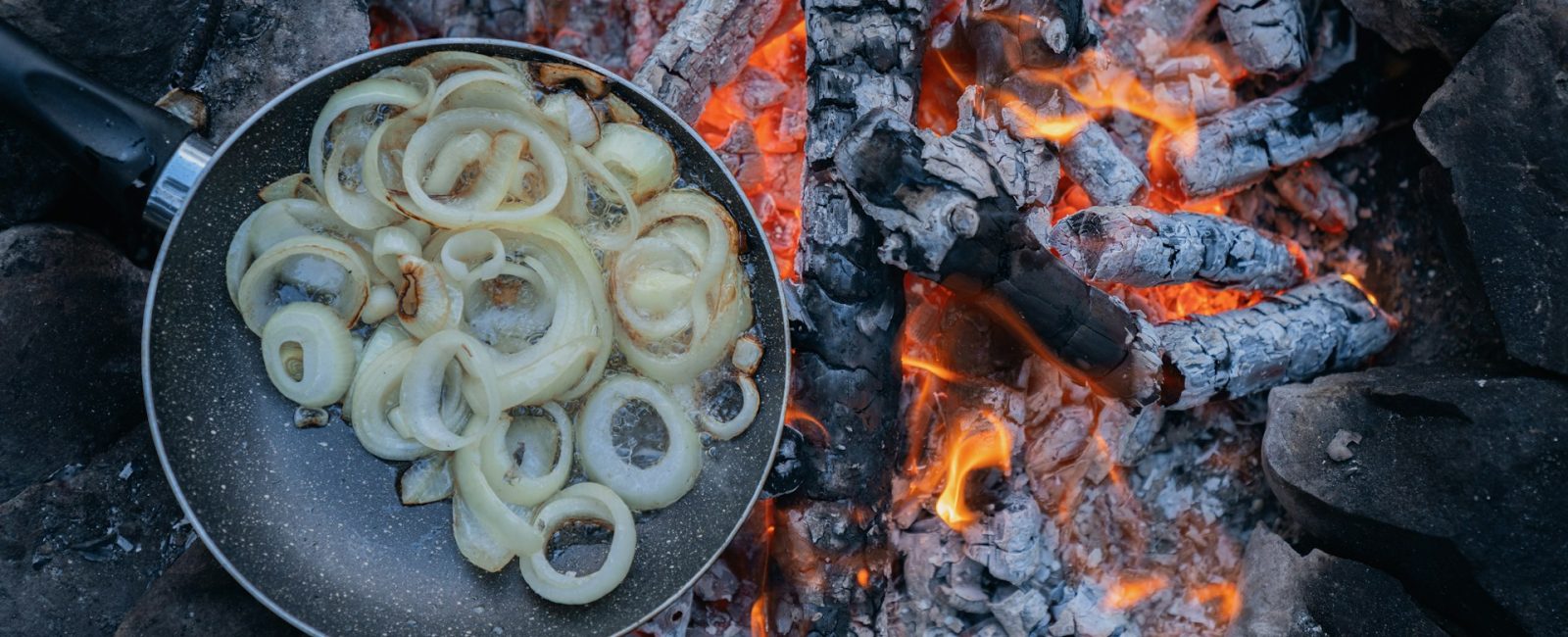
One of the aspects of camping that Andrew Schry enjoys most is the opportunity to test his culinary skills using minimal equipment and simple ingredients. Cooking outdoors strips meals down to essentials, often making them more satisfying after a long day on the trail. With limited pack space and no full kitchen at hand, creativity and preparation become key ingredients in their own right.
A dependable strategy that requires little equipment is the foil packet meal. This method involves wrapping ingredients tightly in aluminum foil and placing the packet over a grill grate or on hot coals. The sealed environment traps moisture, allowing food to cook evenly through a combination of direct heat and steam. Because all components cook together, the meal is ready at once, eliminating the need to juggle multiple pans.
Ingredient selection is crucial. Foods that cook at similar rates produce the best results. For example, pairing delicate fish with dense potatoes can result in overcooked protein and undercooked vegetables. However, salmon or firm white fish pairs well with quicker-cooking vegetables such as zucchini, cherry tomatoes, onions, or thinly sliced peppers. Placing vegetables at the bottom of the packet helps buffer the fish from direct heat while allowing moisture to circulate and cook everything evenly.
Aluminum foil is generally safe for camp cooking, though small amounts of aluminum may transfer to food, particularly when cooking acidic ingredients like tomatoes or citrus. Campers who wish to minimize contact can line the inside of the foil with parchment paper before adding ingredients.
For those carrying a lightweight pot, rice and beans offer a compact, calorie-dense option. Both ingredients store well and provide a strong nutritional foundation. Rice and beans together form a complete protein by supplying complementary amino acids. However, cooking dry beans requires time, water, and fuel—often more than backpackers anticipate. Most dried beans benefit from soaking before cooking, and even then they typically require significantly longer cook times than rice.
One practical approach is to cook beans first until tender, then add rice and additional water to finish the dish together. Alternatively, some campers opt for pre-cooked or dehydrated beans to conserve fuel. When weight is less of a concern, bringing two pots allows both ingredients to cook simultaneously for better texture control.
For meat-centered meals, kebabs provide a straightforward and satisfying option. Skewered chunks of chicken, beef, or vegetables cook evenly over an open flame. A simple marinade of olive oil, garlic, lemon juice, and herbs adds flavor while helping retain moisture. Chicken pieces should be cut uniformly and cooked until they reach an internal temperature of 165°F (74°C) to ensure food safety. Cooking time varies depending on heat intensity and cube size, so turning skewers periodically and monitoring doneness is essential.
If using wooden skewers, soaking them in water for at least 30 minutes before grilling helps prevent burning. Metal skewers eliminate this concern and conduct heat more efficiently.
Cast iron cookware remains a favorite among campers who do not need to minimize weight. A cast iron skillet placed over a grate allows for reliable preparation of steaks, sautéed vegetables, or even rice dishes such as camp-style paella. The pan’s heat retention ensures consistent cooking over fluctuating campfire temperatures.
Other campfire-friendly meals include tacos assembled with pre-cooked fillings, one-pot risottos made with broth and quick-cooking rice, or simple grilled meats seasoned with salt and pepper. With proper preparation, even modest ingredients can yield flavorful results.
For Andrew Schry and fellow outdoor enthusiasts, campfire cooking is less about elaborate technique and more about thoughtful simplicity. By selecting ingredients carefully, managing cook times, and maintaining safe food practices, campers can transform a basic fire ring into a reliable outdoor kitchen—proving that some of the best meals are made under open skies.