
Improving your existing home can often be a smarter choice than moving house, particularly if you love where you live but need more space, better facilities or a layout that suits your changing needs. Rather than dealing with the expense and disruption of buying another property, investing in your current home could give you the extra room and comfort you are looking for.
Moving might seem like the obvious solution when a property starts to feel too small, but there are several reasons why making improvements could be a better long term decision.
What Makes Home Improvements Worth Considering?
One of the biggest advantages of improving your current property is that you already know what you have. You understand the neighbourhood, have established relationships with local people and know what makes the location work for your lifestyle.
Finding another property that ticks all the same boxes can be surprisingly difficult. You might find a larger house, but it could mean a longer commute, a different school catchment area or losing access to the amenities you enjoy.
Home improvements allow you to focus on what is missing without having to compromise on everything else. Whether that means creating another bedroom, updating an outdated kitchen or making better use of unused space, you can shape your home around your priorities.
How Can You Create More Space Without Moving?
A lack of space is one of the most common reasons people start looking at other properties. However, moving is not always necessary to gain the additional room you need.
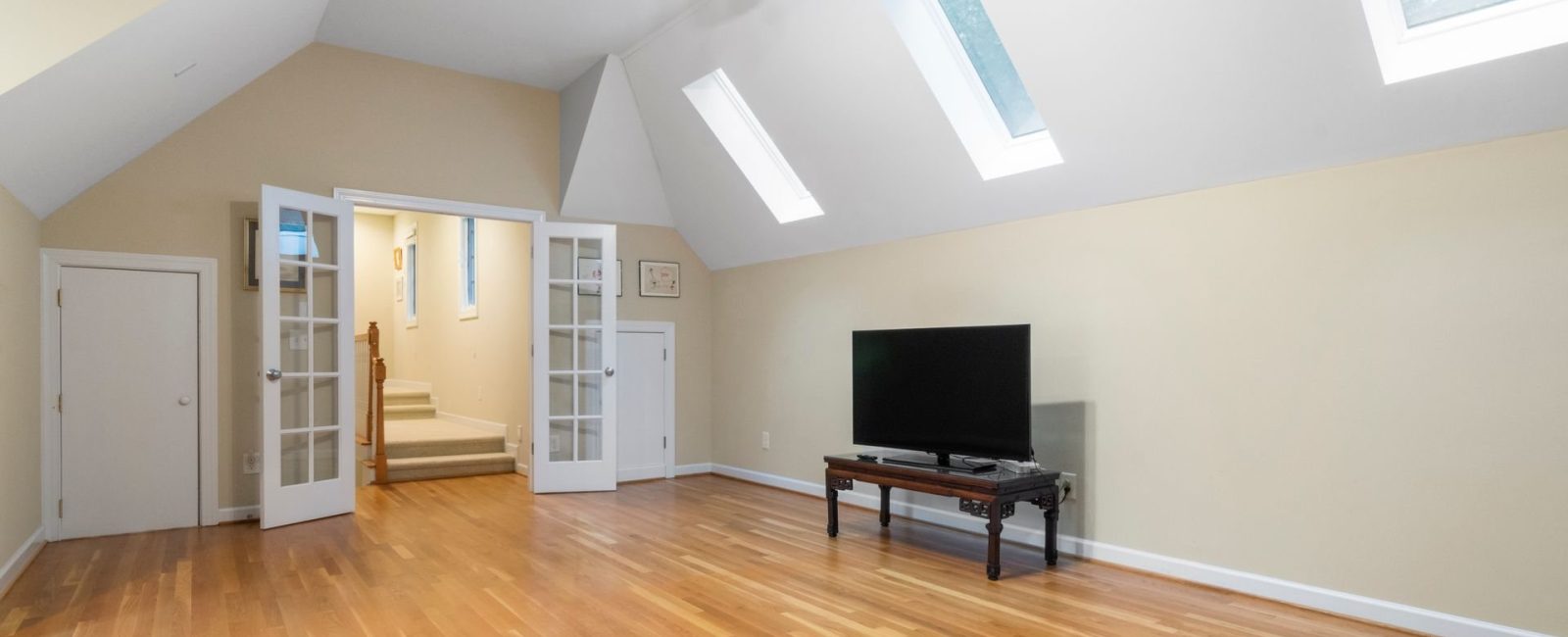
A loft conversion is one option, particularly if your property has an unused attic that could be transformed into something practical. Depending on the available roof space and structure, it could become an additional bedroom, home office, playroom or even a private living area.
Working with experienced loft conversion builders can help you understand what is possible within your existing property. They can assess the roof structure, available headroom and layout before recommending a suitable design.
Other improvements could include extending the kitchen, converting a garage or reconfiguring existing rooms. Sometimes, even relatively straightforward changes can make a home feel considerably larger without increasing its footprint.
Could Improving Your Home Save You Money?
Moving house comes with several costs that are easy to underestimate. Estate agent fees, solicitor costs, surveys, stamp duty and removal expenses can quickly add up before you have even started making the new property your own.
According to the Office for National Statistics, the average UK house price was £270,000 in August 2024. Although property prices vary considerably depending on location, this highlights the significant financial commitment involved in purchasing another home.
Home improvements also require an investment, but you have greater control over how much you spend and which projects you prioritise. You could complete the work in stages, spreading the cost rather than taking on the financial pressure of moving.
It is also worth considering the potential value added by well-planned improvements. Extra bedrooms, better living spaces and modern facilities can make a property more appealing to future buyers, although the return will depend on the quality of the work and local property market.
What Should You Consider Before Starting Building Work?
Before committing to any major project, it is important to understand the condition of your property and what the proposed improvements will involve.
Start by thinking about how you use your home every day. Consider which rooms feel cramped, where additional storage would help and whether your current layout makes the best use of the available space.
Your budget is another important consideration. It is sensible to obtain several quotes, understand what is included and allow some additional money for unexpected costs during construction.
You should also check whether planning regulations apply to your proposed project. Some improvements fall under permitted development rights, while others require formal planning permission. Building regulations may also apply, particularly where structural changes, insulation or fire safety are involved.
Taking time to understand these requirements before work begins can help prevent delays and unexpected expenses.
Is Staying Put the Better Long Term Choice?
There is no single answer for every homeowner, but moving is not necessarily the best solution when your needs change. If you are happy with your location and your property has potential, improving what you already own could be a more practical way forward.
A carefully considered renovation can make everyday life more comfortable, provide additional space for a growing family and give an older property a new lease of life.
Rather than starting again somewhere unfamiliar, you could create the home you want in the place you already love. With the right planning, advice and building team, improving your existing property may prove to be a worthwhile investment for years to come.