The Maxime Imbert Pulp book launch arrives on Friday 18 September 2026 at Claire de Rouen Books in London, marking the publication of a portrait series made during the pandemic years: quiet rooms, chosen clothes, and the particular kind of self-disclosure that becomes possible when a city has, temporarily, run out of other things to offer.
The book, published by Alep, grew from a project Imbert undertook in the interludes between lockdowns. A French photographer who had spent a decade in London after studying at Central Saint Martins, he was already at a personal crossroads when Covid arrived, considering a move to Paris. Rather than leave quietly, he turned back towards the city. Pulp, as he tells Dazed, became his ‘love letter’ to London.
Portraits made in the intimacy of the home
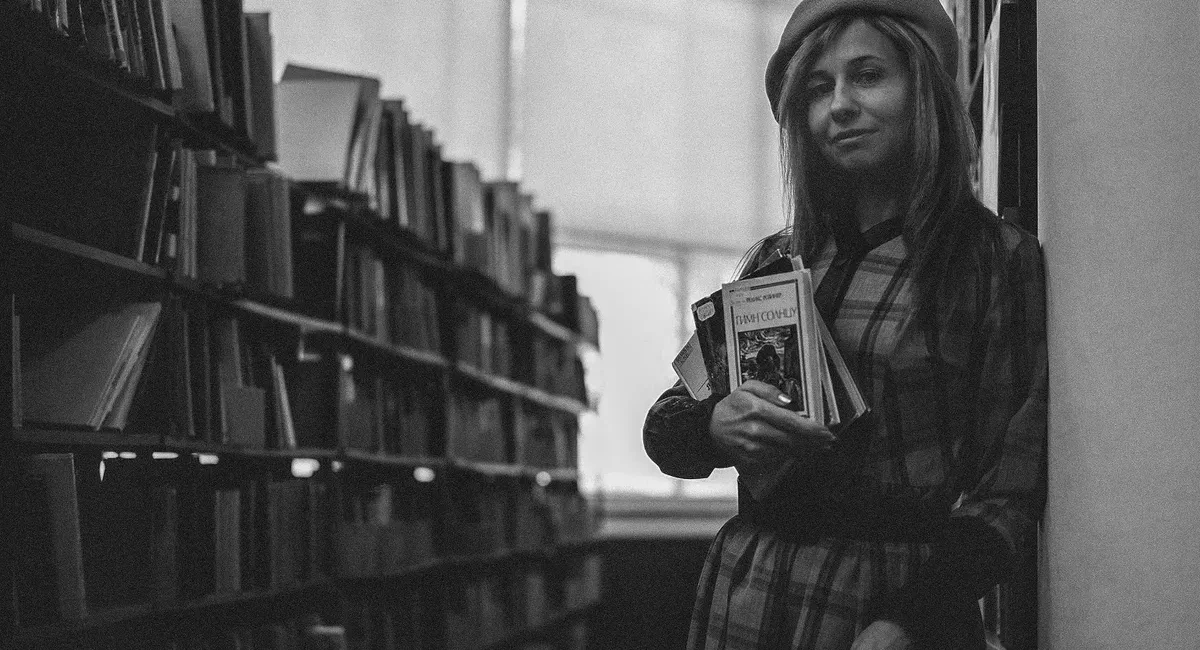
What Imbert was after was not documentary evidence of hardship or boredom, the visual language that so much pandemic-era photography settled into. ‘Pulp gathers portraits of individuals, siblings, friends, couples and roommates in the intimacy of their own home, wearing their own clothes,’ he explains. ‘It captures the city’s atmosphere and the people who made it feel special.’ Some subjects were friends or models he already knew; others were ‘fresh faces’ found with the help of London-based casting directors. The method was always the same: a few hours together, conversation, tea, and the slow arrival of something worth photographing.
That slowness is audible in how Imbert speaks about the project. ‘There’s something therapeutic about spending a few hours with someone, talking about life and sharing a cup of tea,’ he says. ‘In the end, it’s always more than just taking pictures.’ He recalls one subject in particular, a man named Dominic, with whom he forged a friendship during the shoots: long conversations about lost loves, shared dinners, playing the guitar together. They have since lost contact. ‘But I always hope that our paths will cross again,’ Imbert says.
There is a quality in that anecdote worth dwelling on. The pandemic produced an unusual form of sociality (intense, compressed, circumstantial) in which connections were made that might, under ordinary conditions, have taken years to develop, or never developed at all. Imbert’s process accelerated that intimacy by design. The photo session became a social occasion in its own right, a reason to dress up, to be present, to perform a version of oneself for the record.
The Maxime Imbert Pulp project and the refusal to disappear
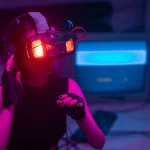
The images themselves resist the grey palette one might expect. The subjects of Pulp are not photographed in the marl leisurewear that became the unofficial uniform of the lockdown months. They appear in neon bikinis, thigh-high silver boots, creative fetish wear, outlandish eye makeup. They are dressed, in other words, to be seen, at a moment when being seen, outside the household, had become structurally impossible. Clubs were closed; group socialising migrated to Zoom and House Party. Imbert’s sessions offered what those platforms could not: the physical fact of another person’s attention, the experience of existing in someone else’s frame.
There is something in this that goes beyond personal style. When the usual venues for self-display (the club, the street, the bar, the office) are removed, the self still requires an audience. The home becomes a stage; the portrait session becomes the show. Imbert was, perhaps without framing it quite this way, providing an infrastructure for visibility at a moment when visibility had been rationed.
Claire de Rouen, the Kingsland Road bookshop and gallery that has long occupied a particular place in London’s visual culture, is, according to its own event listing, ‘pleased to host the launch,’ framing the book as ‘an intimate portrait of London and the people who call it home.’ The event runs from 6pm to 8.30pm on 18 September at 11A Kingsland Road, London, E2 8AA, with a signing. It is a fitting venue for a project that took the private space of the domestic interior and asked what it might reveal about a city when the city itself had gone quiet.
The Maxime Imbert Pulp book launch and signing at Claire de Rouen is open to the public on 18 September 2026. The book is available to order now from Alep.