
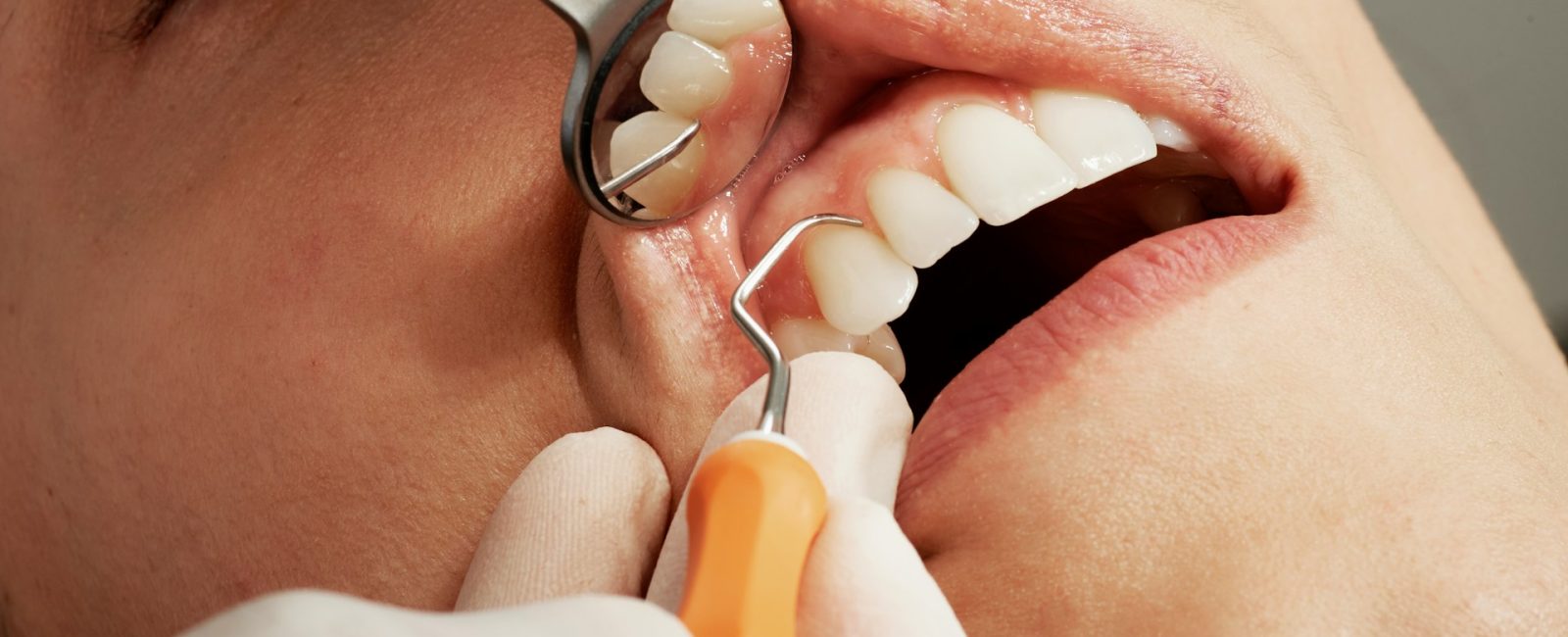
Periodontal disease doesn’t announce itself. That’s the problem. No dramatic pain, no obvious warning — just quiet, slow damage to the gums and bone holding your teeth in place. Around 45% of adults in the United Kingdom show some level of gum disease, which means nearly half the population is dealing with something most of them don’t even know they have.
That’s worth sitting with for a second.
What’s Actually Happening in Your Mouth
The culprit is plaque — that sticky bacterial film that builds up on teeth constantly. Miss it during brushing, and it hardens into tartar. Once tartar sets in, your toothbrush can’t touch it. Bacteria thrive underneath, your body fires up an inflammatory response, and that inflammation slowly eats away at the gum tissue and the bone supporting your teeth.
Left alone long enough? Tooth loss.
Smoking makes everything worse here. Research puts smokers at up to three times the risk compared to non-smokers. Add in poor diet, hormonal shifts, or conditions like diabetes, and the gums become even more susceptible to infection.
The Symptoms People Ignore
Early periodontal disease is easy to dismiss. Gums bleed a little when you brush — so what, right? Except that bleeding is your body telling you something’s wrong. Other early signs include persistent bad breath, gums that look red or puffy, and a general tenderness that comes and goes.
As it progresses, the gums start pulling away from the teeth. Pockets form. Bacteria settle in deeper. Eventually, teeth can feel loose or start shifting — because the bone underneath is breaking down.
Pain doesn’t always show up, even at advanced stages. That’s exactly why regular dental check-ups matter so much.
It’s Not Just a Mouth Problem
Here’s where periodontal disease gets genuinely concerning beyond the dental chair. People with diabetes are up to three times more likely to develop severe gum disease — and it works both ways. Gum disease makes blood sugar harder to control. The relationship goes in circles.
There’s also mounting evidence connecting chronic gum inflammation to cardiovascular disease and respiratory conditions. Not a direct cause-and-effect necessarily, but chronic inflammation anywhere in the body adds to overall inflammatory load. Oral health, in other words, isn’t separate from general health. It’s part of it.
The day-to-day impact matters too. Advanced cases affect eating and speaking. They chip away at confidence. And replacing lost teeth is expensive, time-consuming, and never quite the same as the real thing.
Treatment: Early Is Easy, Late Is Hard
Catch periodontal disease early and treatment is straightforward — professional scaling to clear plaque and tartar above and below the gum line, paired with better brushing habits and daily interdental cleaning. Gingivitis, the early stage, can often be fully reversed this way.
Advanced cases need deeper intervention. Root planing gets bacteria from below the gum line. Serious cases may require surgery to reduce pocket depth and rebuild gum health. And once treated, ongoing maintenance isn’t optional — it’s the whole point.
For complex or non-responsive cases, a periodontist in London and other major cities across the UK offers specialist care. Worth knowing that option exists before things escalate.
Prevention Is Genuinely Straightforward
The basics work. Brush twice daily with fluoride toothpaste. Clean between your teeth every single day — floss, interdental brushes, whatever you’ll actually use consistently. See your dentist and hygienist regularly, because professional cleaning removes the hardened deposits no home routine can reach.
Quit smoking if you do. Eat less sugar. Neither is simple advice, but both have real, measurable impact on gum health.
The biggest opportunity with periodontal disease is catching it early. Bleeding gums aren’t normal — they’re a signal. Act on it quickly, and the condition is very often controllable. Wait, and the options get harder and more expensive.
Your teeth are worth the fifteen minutes a day.